The Android ecosystem is closing the year with a wave of important announcements and debates that clearly show where smartphones are heading next. From bold foldable experiments to battery-first flagships, manufacturers are rethinking what users actually want from their devices.
Samsung’s Big Bet on the Samsung Galaxy Z TriFold
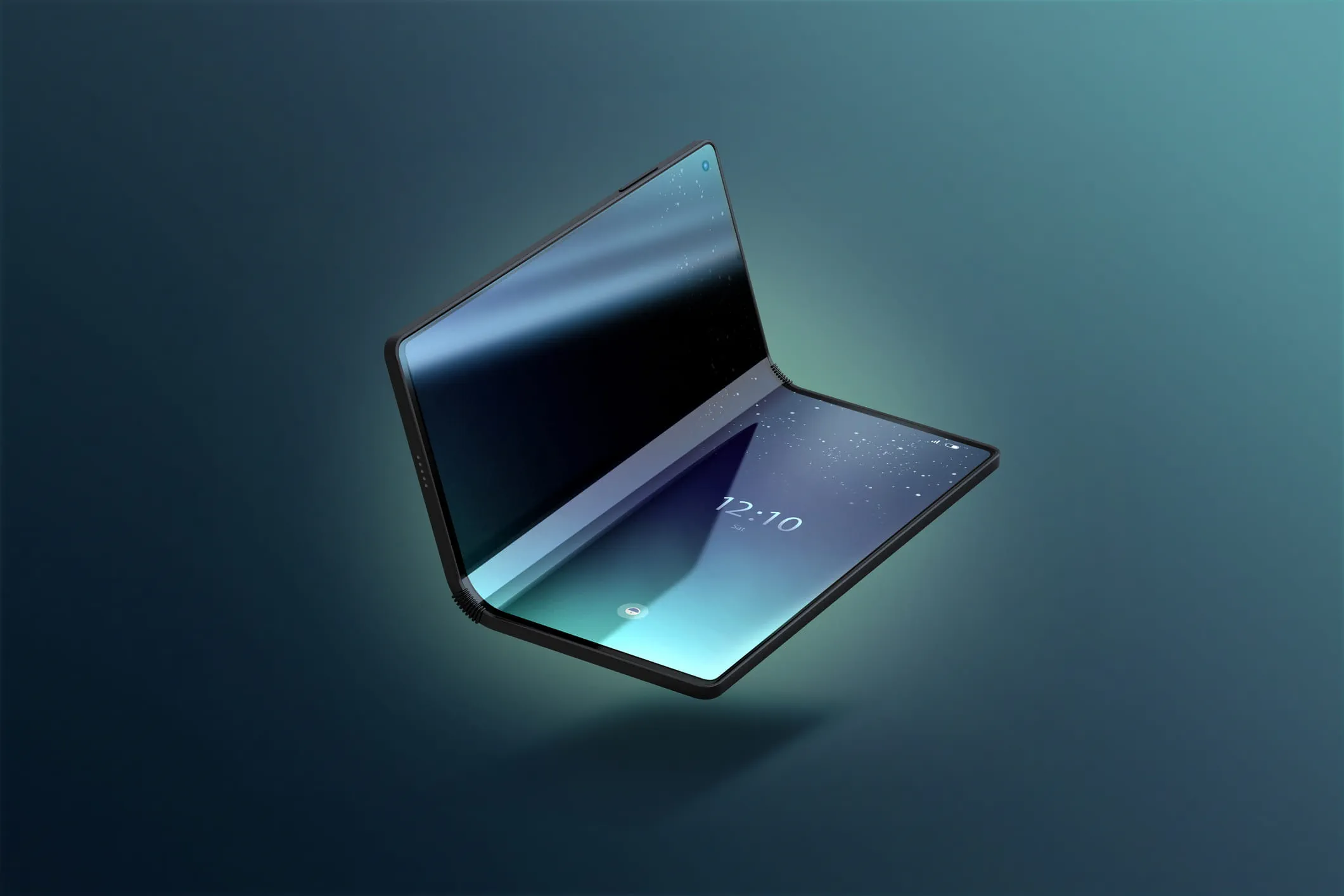
Samsung continues to push boundaries with its upcoming Galaxy Z TriFold concept, a device designed around a tri-fold display rather than the familiar single hinge.
Instead of focusing purely on thinness, Samsung is leaning into larger usable screens, better durability, and practical battery capacity. The tri-fold approach hints at a future where phones can seamlessly replace tablets for productivity, entertainment, and multitasking.
What’s notable is that Samsung appears more confident in this direction than earlier foldable experiments. The design philosophy suggests that foldables are no longer novelty products—they are slowly becoming a serious category.
OnePlus 15R: Bigger Battery, Clearer Priorities
The newly launched OnePlus 15R reflects a growing industry trend: users value battery life and performance consistency over ultra-slim designs.
The phone arrives with:
- A massive battery aimed at heavy users
- A high-refresh-rate AMOLED display built for gaming and smooth scrolling
- Flagship-level performance at a more accessible price point
Rather than chasing extreme thinness, OnePlus is doubling down on endurance. This move aligns closely with user feedback—long battery life often matters more than shaving off a millimeter of thickness.
Google Pixel 10 Signals a Performance Leap
With the Pixel 10, Google appears ready to make a meaningful jump in raw performance. The next-generation Pixel is expected to benefit from deeper hardware-software integration, improving speed, AI features, and efficiency.
The Pixel lineup has traditionally focused on camera quality and clean software. Now, performance upgrades suggest Google wants its phones to compete more aggressively with top Android flagships, not just on photography, but on overall user experience.
Honor’s Momentum with Honor Win
Honor is quietly strengthening its position with the Honor Win, a device that highlights the brand’s push toward solid specs and competitive pricing. The Win series reflects Honor’s strategy of targeting users who want flagship-like features without premium price tags.
This steady rise shows how competition in Android is no longer limited to just a few big names—mid-range and emerging brands are shaping the market just as strongly.
The End of the “Ultra-Thin” Obsession?
A key theme emerging across these launches is the decline of ultra-thin phone designs. While slim phones look impressive, they often compromise:
- Battery size
- Thermal performance
- Long-term durability
Manufacturers are increasingly accepting that slightly thicker devices can deliver better real-world usability. Bigger batteries, improved cooling, and stronger frames matter more to users than ever before.
Final Thoughts
The latest Android headlines make one thing clear: the industry is shifting from style-first to function-first design. Foldables like Samsung’s tri-fold concept explore new form factors, while phones like the OnePlus 15R and Pixel 10 focus on battery life, performance, and everyday reliability.
